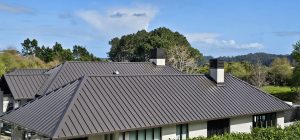
Roofing an Auckland Home Extension: How to Match the New and Existing Roofs
Johnson Roofing outlines how home extension roofing in Auckland can match existing profiles, colours, flashings and drainage through sound junction design.


Johnson Roofing outlines how home extension roofing in Auckland can match existing profiles, colours, flashings and drainage through sound junction design.
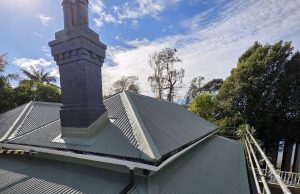
Johnson Roofing explains how townhouse roofing in Auckland is scheduled across design, delivery, installation and inspection stages for new builds on site.
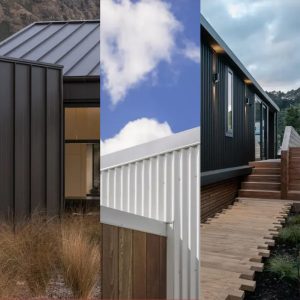
Johnson Roofing explains COLORSTEEL MAXAM vs ALTIMATE for Auckland sites, comparing exposure, materials, installation and maintenance needs for every roof.

Johnson Roofing outlines rental property re-roofing in Auckland, covering access, timing, weather setbacks plus practical property handover considerations.

Johnson Roofing Ltd explains how residential re-roofing in Auckland can proceed while residents remain at home, with practical safety and weather planning.
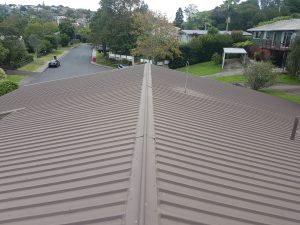
Johnson Roofing Ltd outlines how Auckland re-roofing is managed around rain, site safety, and weather delays for homeowners throughout the Auckland region.
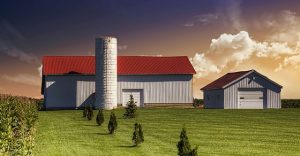
Johnson Roofing Ltd explains corrugated iron shed roofing in Auckland, covering pitch, wind exposure, corrosion risks, and practical rural build decisions.
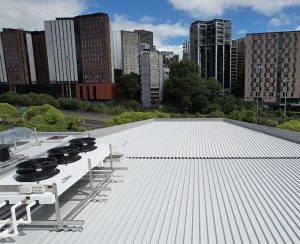
Johnson Roofing outlines new commercial roofing in Auckland for warehouses and workshops, including roofing design, drainage and installation requirements.
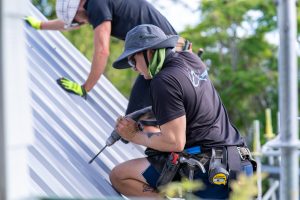
Johnson Roofing Ltd provides long-run steel roof maintenance in Auckland, inspecting fixings, flashing, spouting and components that keep roofs watertight.

Johnson Roofing offers leaking gutter repair in Auckland and assesses heavy-rain drips to decide whether cleaning, repair or section replacement is needed.
Plan farm shed roof installation in Auckland by matching steel profile, supports, fixings and drainage to the site and the shed’s use. Steel profile and support spacing need to be

Plan commercial re-roofing in Auckland around roof-off exposure, staged replacement, changing weather and occupied spaces. The most vulnerable point in a re-roof is the gap between removing the old cladding