
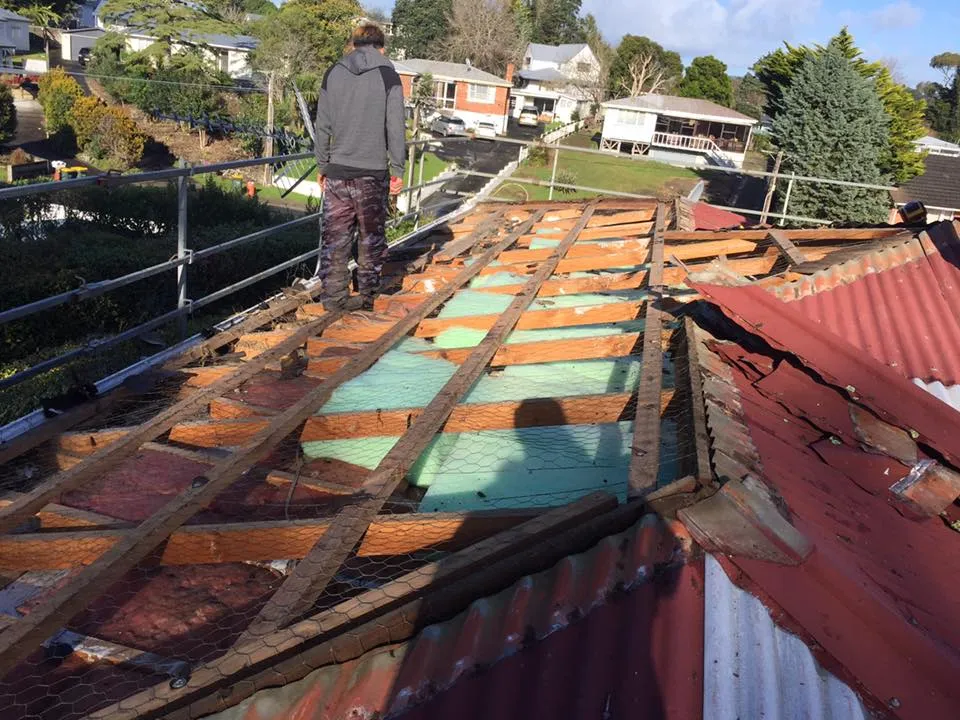
Facing storm damage? Johnson Roofing provides a safety checklist and expert emergency roof repairs for Auckland homes. Secure your roof today!
Auckland storms are known for their intensity, and when strong winds and heavy rain hit, roof damage can quickly turn into a stressful situation for homeowners. Because your roof is your home’s first line of defence, the steps you take in the first few hours after a storm can mean the difference between a simple fix and costly emergency roof repairs. This guide follows industry best practices to help you respond safely and effectively after storm damage, without putting yourself at risk.
The Ground-Level Safety Assessment
During and after a storm, the most important rule is to stay off the roof, as wet surfaces, strong winds, and potential structural damage make it extremely dangerous. Instead, carry out a full ground-level inspection by walking around your home and using binoculars to spot visible damage safely. Look for:
• Lifting Sheets: On Auckland’s common long run or corrugated iron roofs, look for sheets that are flapping or have lifted at the edges.
• Flashings: Check the metal strips around chimneys, vents, and valleys. If these are torn away, water has a direct path into your ceiling cavity.
• Debris: Branches or other debris on the roof can hide punctures or cracked tiles.
• Electrical Hazards: Before touching any wet walls or appliances, ensure water has not come into contact with light fixtures or wiring. If you suspect it has, turn off your mains power immediately.
Emergency Roof Repairs: Limiting the Damage
Once you have assessed the exterior from a safe distance, your focus should shift to mitigating the water damage inside. While permanent fixes require a professional, these emergency roof repairs can help control the situation until help arrives.
• Managing Internal Leak – Move valuables away from the leak and place a towel-lined bucket underneath to catch dripping water. If a ceiling bulge forms, carefully make a small hole in the centre so the water can drain safely and prevent the ceiling from collapsing.
• Temporary Tarping – If conditions are safe, a tarp can be used as a short-term cover, making sure it extends over the roof ridge to stop water seeping underneath. Keep in mind, this is only a temporary solution until proper repairs are completed.
Documenting for Your Insurance Claim
Insurance providers are strict about proof. They often need to distinguish between sudden storm damage and long-term wear and tear. To ensure your claim is processed smoothly:
1. Photograph Everything: Take clear photos of the damage before you attempt any cleanup or temporary repairs. Capture the external damage (from the ground) and the internal water damage to ceilings and walls.
2. Keep the Evidence: If a piece of flashing or a roof tile has blown off, do not throw it away. Keep it as evidence for the assessor. It can also help your roofer match materials for the repair.
Why a Professional Inspection is Non-Negotiable
While a quick DIY patch might seem sufficient, storm damage often causes hidden issues like loosened fasteners and micro-cracks that are invisible to the untrained eye. These overlooked defects can severely compromise your roof, leading to significant leaks when the next heavy rain strikes. At Johnson Roofing, we go beyond simple repairs to expertly inspect the structural integrity of your Auckland home, ensuring it remains truly weather-tight.
Contact us for a comprehensive storm damage assessment and ensure your roof is ready for whatever Auckland’s weather throws at it next.
Related Blog Articles:
Expert Flashing Repair Auckland: Keep Your Home Safe from Leaks and Water Damage
Roof Flashing Repairs Auckland: How to Protect Your Home From Costly Damage