
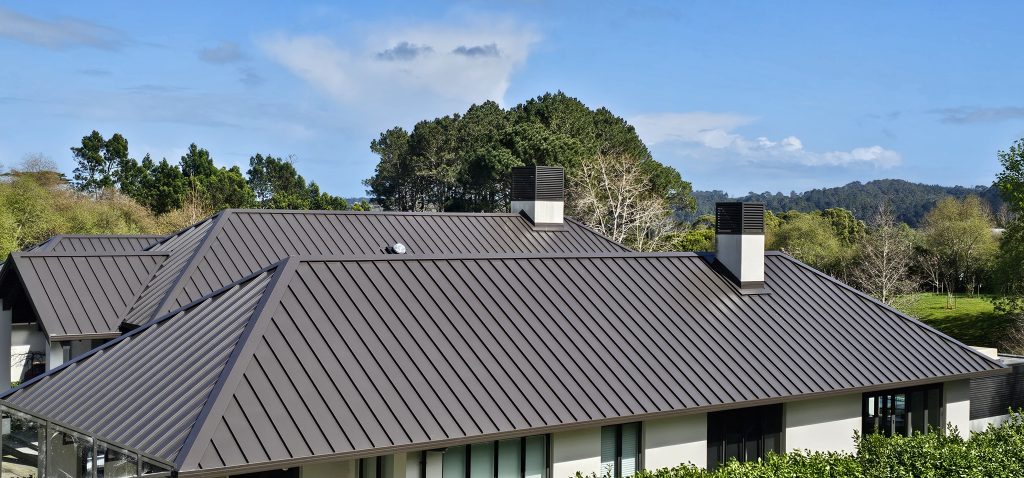
Johnson Roofing outlines how home extension roofing in Auckland can match existing profiles, colours, flashings and drainage through sound junction design.
Extending a home creates a difficult roofing decision: should the new work copy the existing roof or form a deliberate contrast? Successful home extension roofing in Auckland depends on more than selecting a similar colour because the profile, pitch, sheet direction and junction details must also work together. An early roof assessment gives the homeowner, builder and roofer a clearer scope before materials, flashings and rainwater components are ordered for the extension.
Can a New Extension Roof Match an Older Roof?
Yes, but only after we identify and inspect the existing roofing system. The assessment should record its age, condition, material, exact profile, finish, pitch and fixing method. Similar-looking corrugated or trapezoidal sheets can have different cover widths and rib dimensions, so a generic profile description is not enough.
Visual alignment also depends on ridge and eaves heights, fascia depth, gutter position and sheet direction. We compare physical colour samples beside the roof from key ground-level viewpoints because ageing, fading, dirt and changing gloss can prevent an exact match. If the original product is unavailable, a deliberate contrast may look more resolved than a visibly inaccurate imitation.
Should the Existing Roof Be Matched or Replaced?
A direct match is most practical when the existing roof remains serviceable, the profile is available and its remaining life supports the investment. Our new roofing installation services include corrugated, trapezoidal, architectural tray and long-run systems, but the project still requires profile-specific assessment. Material availability and design suitability must be confirmed before ordering.
Complete re-roofing deserves consideration when older sheets show widespread corrosion, recurring defects or obsolete components. It can align the appearance and future maintenance cycle, but it should follow an inspection rather than become an automatic recommendation. Homeowners can review our roofing products while the retained roof, proposed design and site exposure are assessed.
What Junction and Drainage Details Need Early Coordination?
The connection between the roofs is the critical weatherproofing detail. For home extension roofing in Auckland, the project team should establish how water will move across changes in pitch, walls, valleys and penetrations. Australian regulator guidance on roof flashing systems reinforces that flashings should collect and discharge water into the drainage system rather than depend mainly on sealant.
- Flashings: Specify compatible, purpose-formed components with adequate cover, support and secure fixing.
- Drainage: Recalculate catchment area, gutter capacity, downpipe locations and overflow paths after adding roof area.
- Roof build-up: Coordinate underlay, insulation and moisture-control details across the old-to-new junction.
- Structure: Verify framing, support spacing and fixing requirements before roofing materials are ordered.
Johnson Roofing for Home Extension Roofing in Auckland
A successful extension roof starts with an accurate assessment of the existing system and a documented junction design. At Johnson Roofing, we work with homeowners, builders and project managers to coordinate suitable roofing, site-specific flashings and rainwater components for Auckland projects. Confirming profile availability, drainage requirements and retained-roof condition early provide a clearer basis for pricing, ordering and construction.
Request a project-specific assessment using your roof plans, property address and any available details about the existing roofing system.