
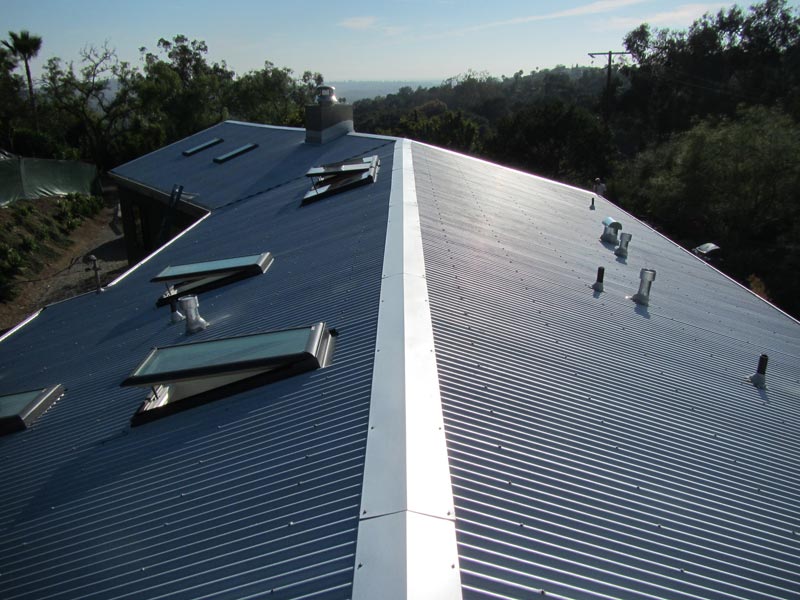
Get clear facts about metal roofing ventilation, common myths, and modern solutions with expert guidance from a roofing specialist, Johnson Roofing.
Metal roofing remains a popular option for modern residential and commercial buildings due to its durability, low maintenance, and clean, architectural appeal. In Australia and New Zealand, these roofing systems are valued for their ability to withstand harsh weather conditions while supporting energy-efficient building design. Despite advances in materials and construction standards, misconceptions about metal roofing ventilation persist, often leading to reduced performance, higher energy costs, and preventable long-term damage for property owners in 2026.
Myth #1: Metal Roofs Don’t Need Ventilation Because They Reflect Heat
A common misconception is that reflective metal roofing materials remove the need for ventilation. Although modern metal roofs reflect some solar radiation, significant heat can still accumulate in the roof cavity. Without proper airflow, this trapped heat raises indoor temperatures and increases the load on cooling systems, making ventilation essential for comfort and energy efficiency.
Myth #2: Ventilation Is Only Important in Hot Climates
Ventilation is often linked only to summer heat, but its role extends well beyond temperature control. In cooler or temperate regions, poor airflow can cause condensation to form within the roof space. This trapped moisture can damage insulation, promote mould growth, and weaken timber structures, making ventilation essential in all climates.
Myth #3: Insulation Alone Replaces Metal Roofing Ventilation
Insulation and ventilation serve different but complementary functions within a roofing system. Insulation slows heat transfer between the roof cavity and interior spaces, while ventilation removes excess heat and moisture from the roof space. Relying on insulation alone can trap warm, moist air and reduce overall roof performance, making both elements essential.
Myth #4: More Roof Vents Automatically Mean Better Performance
Adding vents without a clear design strategy does not guarantee improved airflow. In some cases, excessive or poorly positioned vents can disrupt natural air movement, reducing ventilation efficiency. Effective roof ventilation depends on balance, with carefully planned intake and exhaust points that encourage consistent airflow through the roof cavity.
The Truth About Metal Roofing Ventilation in Modern Roofing Design
In contemporary roofing systems, metal roofing ventilation is a carefully engineered component rather than an afterthought. Modern design focuses on controlled airflow that manages heat and moisture while supporting long-term structural performance.
Key principles of effective ventilation include:
• Balanced airflow, achieved through a combination of intake and exhaust ventilation
• Consistent air movement, allowing warm, moist air to exit the roof space naturally
• Integration with insulation systems, ensuring both elements perform as intended
• Compliance with current building standards, supporting durability and energy efficiency
When designed correctly, ventilation contributes to lower energy costs, improved indoor comfort, and extended roof lifespan. Professional assessment is essential to ensure ventilation solutions are suited to the specific roof structure and building use.
Why Johnson Roofing Is the Trusted Choice for Metal Roofing Ventilation
At Johnson Roofing, we understand that effective metal roofing ventilation is fundamental to a high-performing roofing system. Our team delivers tailored solutions that prioritise durability, compliance, and long-term value for residential and commercial properties. With extensive industry experience, we provide professional guidance from initial assessment through to installation, ensuring every roofing system performs as intended.
Contact us and learn how our specialised roofing services can deliver reliable, future-ready results.
Related Blog Articles:
Metal Roofing vs. Asphalt Shingles: Which Performs Best in New Zealand’s Summer Heat?
Metal Roofing in Auckland for Schools and Public Buildings: The Smart, Long-Term Choice