
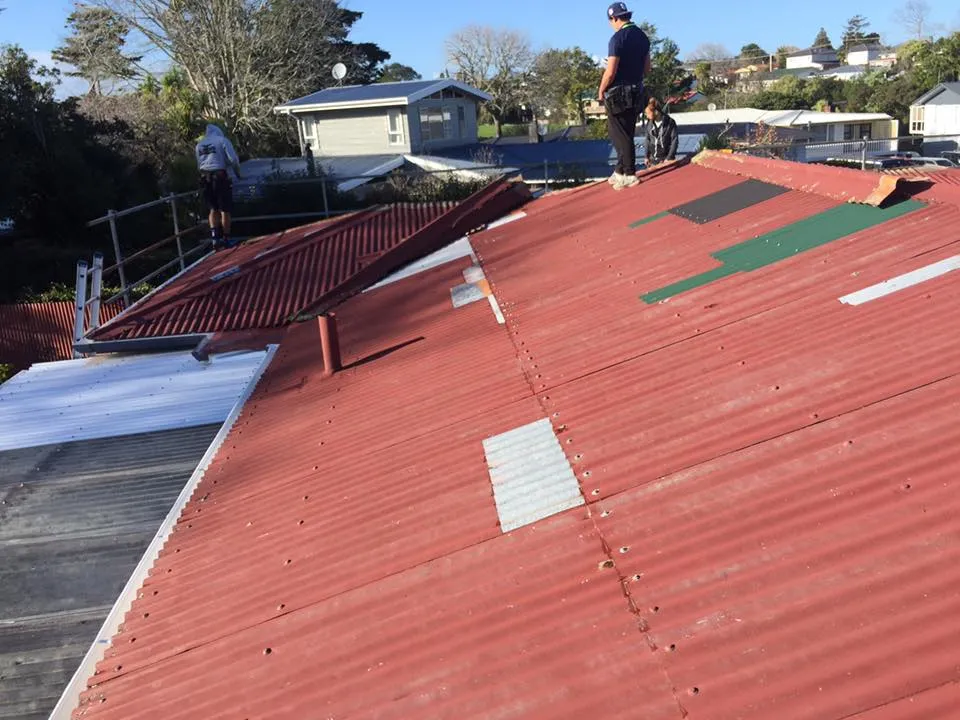
Autumn in Auckland brings heavier rain, higher humidity, and stronger winds, placing added pressure on residential and commercial roofing systems. As conditions shift, small roof issues that went unnoticed over summer can quickly escalate into serious water ingress problems, making early assessment and roof waterproofing essential. Identifying roof weak points in advance helps protect your property, minimise long-term repair costs, and preserve the building’s structural integrity.
Why Auckland’s Climate Demands a Proactive Roof Check
Auckland’s climate features frequent rainfall, high moisture levels, and coastal exposure across many suburbs, all of which accelerate roof deterioration. Metal roofing and older tiled systems are particularly vulnerable, with persistent moisture contributing to corrosion, moss growth, and sealant failure. Conducting a proactive roof check before autumn allows issues to be resolved early, avoiding emergency repairs during heavy rain when costs and disruption are higher.
Common Roof Weak Points to Spot
Before the wetter months arrive, it is important to understand where roof vulnerabilities most commonly occur. The following areas are frequently responsible for leaks and moisture penetration if left unattended.
• Damaged or Missing Roofing Materials – Broken tiles, cracked shingles, and loose metal sheets are common and highly visible roof weaknesses. Even minor gaps can allow water to enter during heavy rainfall, especially after late-summer winds have dislodged roofing materials. These issues compromise roof waterproofing performance and should be addressed promptly to prevent further damage.
• Rust or Corrosion on Metal Roofing – Metal roofing is popular across Auckland due to its durability, but it is not immune to corrosion. Rust often forms around fixings, overlaps, and roof edges, particularly in coastal areas where salt exposure is higher. Corrosion weakens the metal surface and compromises protective coatings, increasing the likelihood of leaks during prolonged rainfall.
• Blocked Gutters and Drainage Issues – Gutters and downpipes play a critical role in directing water away from the roof structure. Leaves, debris, and moss can cause blockages, leading to water overflow that seeps beneath roofing edges. Poor drainage places unnecessary pressure on roof waterproofing measures and can result in damage to fascia boards and internal ceilings.
Interior Signs Your Roof Has Weak Points
Not all roof problems are visible from the outside. Internal indicators often provide early warnings that moisture is entering the building envelope. If left unaddressed, these signs may point to broader roof failure.
• Ceiling stains or bubbling paint
• Damp smells in attic spaces
Such symptoms typically suggest water penetration through roofing materials, flashings, or failed waterproofing layers. Early investigation can prevent further deterioration and costly structural repairs.
Protect Your Property with Johnson Roofing’s Roof Waterproofing Solutions
Identifying roof weak points before autumn rain is a practical and cost-effective way to safeguard your property. At Johnson Roofing, we provide professional inspections, maintenance, and roof waterproofing services tailored to Auckland’s climate conditions. Our experienced team focuses on long-term performance, ensuring your roof remains weather-resistant and compliant with industry standards.
If you are preparing for the upcoming wet season or have noticed early signs of roof damage, contact us today. Our expert services help protect your investment, reduce unexpected repair costs, and ensure your roof is ready for Auckland’s autumn weather.
Related Blog Articles:
How Weather Affects Metal Roof Lifespan – Seasonal Care Tips That Work
Expert Flashing Repair Auckland: Keep Your Home Safe from Leaks and Water Damage