
Johnson Roofing explains key factors behind affordable roofing in Auckland, from roof size and access to materials, design, and long-term project value.
Affordable roofing in Auckland does not mean accepting the lowest quote. It means paying for the roof and installation scope the property needs while avoiding omissions, unsuitable materials and preventable remedial work. The biggest cost drivers are roof area, complexity, access, material specification and whether the project is a new roof or replacement. We inspect these factors before preparing a property-specific quote.
What Has the Biggest Impact on Roofing Costs?
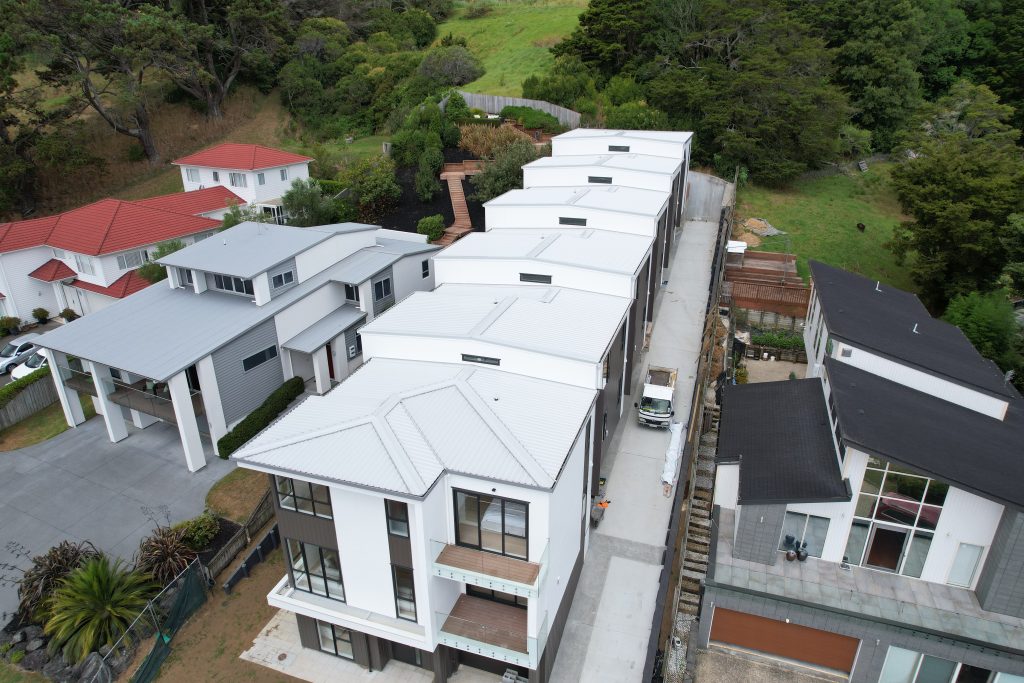
Measured roof area is a major starting point because it affects the quantity of steel roofing, underlay, flashings and fixings required. Floor area alone is not enough. Pitch, eaves, garages, hips, valleys and separate roof sections can increase the actual surface to be covered.
Other significant factors include:
- Roof geometry: Valleys, ridges, penetrations, skylights, chimneys and wall junctions require additional cutting, flashing and installation time.
- Pitch and height: Steep, elevated or multi-level roofs can need more safety equipment and slower installation methods.
- Site access: Tight driveways, limited material-storage space and restricted access can affect handling and labour planning.
- Material specification: The steel product, profile, coating and finish must suit the roof design and the property’s environmental exposure.
- Existing roof removal: A re-roof quote may include lifting and disposing of old cladding, temporary weather protection and preparing the structure for new roofing.
- Underlying condition: Damaged battens, substrate or timber can change the scope if the problem is not visible until the existing roof is removed.
Our guide to long-run roofing in Auckland explains common system and installation issues that should be considered before selecting a roof on price alone.
Compare Complete Scope, Not Headline Price
Two quotes are not comparable unless they cover the same work. One contractor may include removal, disposal, underlay, flashings, edge protection and site clean-up, while another presents some of those items separately or excludes them.
Before choosing a quote, check:
- Included work: Confirm exactly which roof areas, materials, accessories and installation tasks are covered.
- Exclusions and allowances: Identify provisional sums, owner-supplied items and work that may generate a variation.
- Product details: Look for the proposed roofing profile, finish and relevant component specifications rather than a vague material description.
- Site and safety costs: Confirm whether scaffolding, edge protection, access equipment and waste removal are included.
Building Performance guidance states that all building work must comply with the Building Code, even when particular work does not require building consent. A cheap quote is worthless if critical scope, compliance or weatherproofing details are missing.
Keeping the Project Cost-Effective
A proper assessment is the strongest starting point for cost control. It establishes measurements, access requirements and visible roof conditions before work begins. For an existing building, our Auckland re-roofing service includes removing and disposing of the old roof before installing the replacement steel roof.
For a new build, early decisions can also reduce avoidable redesign or material changes. Our new-roof service supports residential and commercial projects across Auckland.
Cost control should never rely on removing essential underlay, flashings, fixings or safety measures. It comes from a clear scope, suitable materials, realistic allowances and timely decisions. Homeowners should also question broad promises about lifespan, energy savings or property value unless the quote and product documentation support them.
Request a Clear Auckland Roofing Quote
We can assess your property, explain the cost drivers and prepare a quote based on the roof’s actual size, design, access and required scope. Request a no-obligation roofing assessment to compare practical long-term value without gambling on the cheapest headline price.