
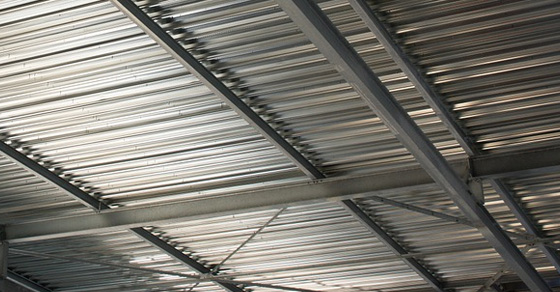
Johnson Roofing explains how commercial roofing services in Auckland support site access, safety, weather planning and business continuity.
Commercial roof work cannot be labelled “low disruption” without understanding how the property operates. A useful plan must identify critical entrances, loading areas, staff routes, customer zones, sensitive stock and times when noise or restricted access would cause the greatest impact.
We coordinate the roofing scope with the building representative before work starts. However, not every occupied site can remain fully operational throughout every stage. Safety, weather and the condition uncovered beneath existing roofing may require temporary restrictions.
Map Business-Critical Areas First
The initial site discussion should cover more than roof access. We need to understand delivery times, vehicle movements, tenant requirements, emergency exits, operating hours and any equipment or internal areas that must remain protected.
The business should nominate one authorised contact who can confirm operational priorities and approve changes. Johnson Roofing should also have a clear contact responsible for programme updates, weather decisions and site coordination. This prevents conflicting instructions from staff, tenants and contractors.
Separate Roofing Zones from Operating Zones
Where the building and roofing scope allow it, staging can divide work into controlled areas. This may help keep selected entrances, loading points or internal areas available while roofing continues elsewhere.
A staging plan should identify:
- Access routes: Show where workers, materials, lifting equipment and waste will enter or leave the site.
- Restricted areas: Define exclusion zones beneath and around active roof work.
- Delivery windows: Avoid conflicts between roofing materials, customer traffic and regular business deliveries.
- Noise-sensitive periods: Identify meetings, trading peaks, production processes or tenant activities affected by cutting and fastening.
- Material storage: Confirm secure areas that will not block fire exits, parking, loading or pedestrian movement.
- Shutdown triggers: Agree when wind, rain, exposed roofing, falling-object risks or unexpected conditions require work or nearby operations to stop.
WorkSafe guidance on working safely on roofs reinforces the need to manage falls and protect people below roof work. Business continuity never overrides site safety.
Plan for Weather and Temporary Exposure
Auckland weather can change quickly, so the programme must account for how much roofing can be safely opened and protected at one time. Weather monitoring, staged removal and temporary protection can reduce exposure, but no responsible contractor should promise that weather will never alter the schedule.
For re-roofing, Johnson Roofing plans around the risk created when an occupied building is temporarily exposed. Our commercial re-roofing services article explains the wider value of replacing deteriorated commercial roofing, while this project plan should state how stock, equipment and internal areas will be protected during the work.
Confirm Responsibilities Before Starting
The property owner, manager or principal contractor should confirm who controls the wider site and coordinates other trades. Before mobilisation, agree on:
- Project scope: Identify roof areas, penetrations, flashings and related components included in the work.
- Programme and notices: Set proposed dates, working hours and advance notice for operational changes.
- Emergency arrangements: Keep emergency routes available and establish how urgent site issues will be reported.
- Hazardous materials: Ensure suspected asbestos or other hazardous materials are assessed through the appropriate process before disturbance.
- Handover requirements: Confirm inspections, photographs, product information, warranties and recommended maintenance records.
Ongoing roof maintenance should also be planned after completion rather than treated as an afterthought.
Arrange a Commercial Roofing Assessment
Johnson Roofing works on commercial new roofs, re-roofing and maintenance projects across Auckland. We can assess the roofing scope and discuss site access, staging, weather exposure and operational constraints with your nominated representative. Request a commercial roofing assessment to build a practical scope before promising staff, tenants or customers that disruption will be minimal.