
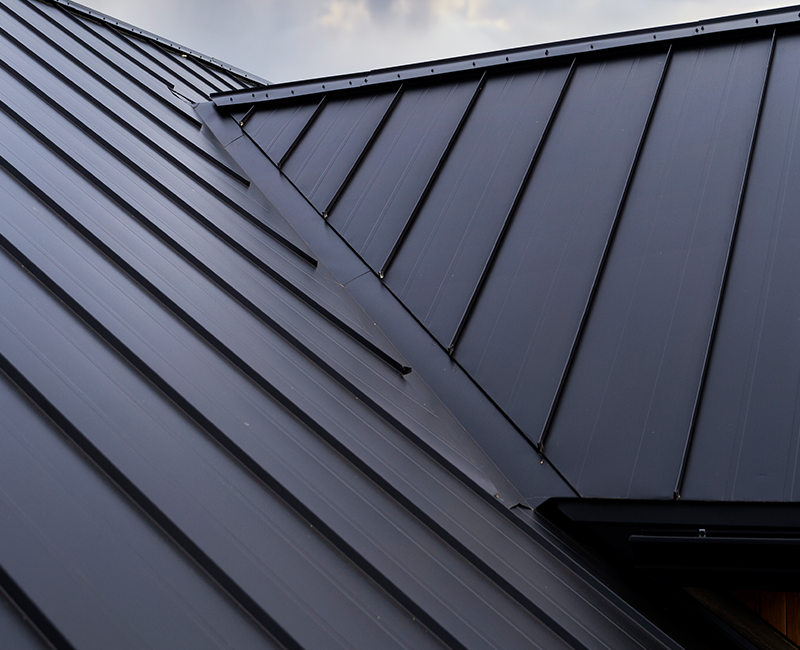
Trapped metal roof moisture can damage underlay, insulation, fixings and timber when persistent condensation or water entry remains unresolved.
This article focuses on the damage pathway and inspection triggers. It does not assume every damp roof cavity needs additional vents or that Johnson Roofing provides standalone ventilation design.
Where Can Moisture Beneath a Metal Roof Come From?
Moisture may enter from outside through defective cladding, flashings, fasteners or penetrations. It can also originate inside the building when humid air reaches cold roof-space surfaces and condenses. Plumbing leaks, wet construction materials and extract fans discharging into the cavity are other possibilities.
Johnson Roofing’s roof inspection and maintenance guidance supports early investigation, but the visible damp area may not identify the source. Water can travel along underlay, framing and roof profiles before appearing inside.
What Damage Can Persistent Moisture Cause?
The consequences depend on duration, materials and drying conditions.
- Wet or deteriorated underlay: Underlay may lose performance if it remains saturated, is damaged or cannot drain and dry as intended.
- Reduced insulation performance: Wet or compressed insulation can provide less effective thermal resistance and may need specialist assessment.
- Corrosion around fixings and laps: Repeated wetting can contribute to corrosion, particularly where coatings are damaged, or incompatible materials are present.
- Timber decay: Persistent moisture can create conditions that support fungal decay in susceptible framing; the extent cannot be established from ceiling stains alone.
- Mould growth: Damp surfaces may support mould, but the species and health implications should not be diagnosed through roofing marketing copy.
Which Signs Justify a Roof-Space Inspection?
Arrange an assessment when dampness appears without an obvious rainfall pattern, when insulation remains wet, or when musty odours, staining and corrosion recur. Also investigate bathroom or kitchen extraction ducting that terminates inside the roof space.
The New Zealand Government’s moisture-control advice says moist air from kitchens, bathrooms and laundries should be vented outside rather than into the roof space.
Why Is the Cause Important Before Repairs Begin?
A roof leak, condensation problem and plumbing leak require different responses. Adding sealant will not correct indoor moisture, while installing vents will not repair defective flashing. Ventilation must be designed for the roof type and building conditions; ridge and eave vents are not universal solutions.
An inspection should record the weather conditions, location and distribution of moisture, roof-cladding condition, underlay, insulation, extraction ducts and visible timber. Where damage extends beyond roofing components, another suitably qualified professional may be required.
Stop Hidden Moisture from Becoming Wider Damage
Johnson Roofing provides roof maintenance services and reroofing across Auckland. The appropriate roofing response depends on what the inspection finds, not a guaranteed diagnosis from symptoms alone.
If active dripping is close to electrical wiring, ceilings are sagging, or framing appears unsafe, occupants should avoid entering the affected area and obtain appropriate professional assistance. The roofer’s findings may need to be coordinated with an electrician, insulation contractor, plumber, builder or building surveyor where moisture has affected systems beyond the roof covering.
Send the property address, roof type, photographs, timing of the dampness and recent weather details through the Johnson Roofing contact page. That information gives the team a stronger starting point for inspecting possible roof-related moisture entry.