
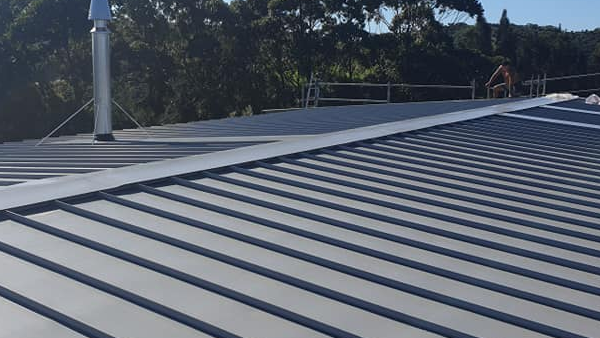
Johnson Roofing explains how proper metal roof thickness protects your Auckland property. Our guide details the best profiles for coastal winds and rain.
Auckland is famous for experiencing four seasons in a single day, often subjecting residential properties to heavy subtropical rain and high levels of coastal salt spray. Given these demanding environmental conditions, selecting the appropriate metal roof thickness is a vital consideration for any homeowner seeking to protect their property against the elements. Getting this technical specification right ensures that your investment remains durable, quiet, and aesthetically pleasing for many decades to come.
Does Metal Roof Thickness Really Matter for Your Auckland Home?
In coastal areas bordering the Hauraki Gulf and Tasman Sea, selecting a robust material gauge is essential to protect your property against structural wear and extreme wind pressure. Choosing the correct technical specifications ensures full compliance with New Zealand building standards while providing the long-term durability your home requires.
Beyond simple durability, a thicker roof gauge offers several practical advantages for the modern Auckland lifestyle:
- Superior Wind Resistance: Greater thickness prevents the metal from vibrating or flexing during heavy gusts common in coastal areas.
- Reduced Oil Canning: Thicker metal helps prevent the visible waviness or “oil canning” that can occur on flat or low-pitch roof designs.
- Enhanced Maintenance Support: A higher gauge provides a more stable surface for foot traffic while technicians clean gutters or install solar panels.
- Improved Acoustic Performance: Heavier metal can help dampen the sound of heavy rain, providing a quieter indoor environment during winter storms.
Comparing BMT Standards: 0.40mm vs. 0.55mm Options
When selecting long-run roofing, you will encounter the term Base Metal Thickness (BMT), with 0.40mm and 0.55mm being the standard gauges for New Zealand steel roofing products. The 0.40mm gauge is a reliable, cost-effective choice for sheltered suburban homes under standard conditions. This lightweight option perfectly suits the classic Kiwi aesthetic while providing dependable protection.
For properties on exposed ridgelines or coastal areas, 0.55mm BMT is the superior professional recommendation. This increased metal roof thickness offers essential rigidity for modern architectural designs and easily accommodates the weight of solar energy systems. Choosing this heavy-gauge option prevents denting during maintenance and ensures the long-term integrity of your investment.
Matching Your Profile to Auckland’s Coastal and Wind Zones
Roof profiles must be paired with the appropriate material gauge to manage water runoff effectively. While classic corrugated designs require at least an 8-degree pitch, trapezoidal profiles can handle high water volumes with as little as 3 degrees. This careful matching prevents moisture pooling and maintains the home’s structural integrity.
In Auckland’s harsh maritime environments, we highly recommend Colorsteel Altimate for maximum corrosion resistance. This premium product features an aluminium substrate designed specifically to withstand the extreme salt spray found in suburbs like Mission Bay or St Heliers. Selecting the right technical specifications ensures drainage channels remain efficient and structural ribs stay crisp during heavy downpours.
Ensure Maximum Durability with Johnson Roofing’s Professional Specifications
A professional specification requires an understanding of how Auckland’s microclimates affect materials beyond mere aesthetics. Correct metal roof thickness ensures a durable, premium solution against salt, wind, and rain. Johnson Roofing specialises in providing high-performance roofing solutions specifically tailored to protect and enhance properties across the Auckland landscape.
Contact us for a professional consultation and a comprehensive quote to ensure your new roof is as resilient as it is beautiful.
Related Blog Articles:
Minimum Roof Pitch for Popular Long-Run Profiles in NZ
Top Metal Roofing Options for Auckland’s Marine and Salt-Air Conditions