
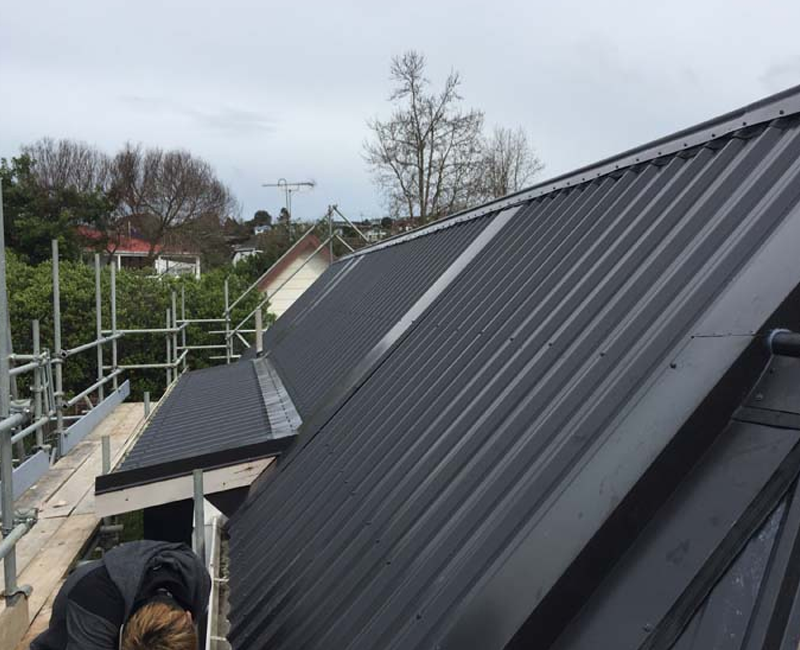
Johnson Roofing explains what to confirm before new build roofing in Auckland, from roof pitch and drainage to materials, exposure, and quote details.
A useful new-build roofing quote depends on more than the building’s floor area or preferred colour. We need enough project detail to price the roof profile, flashings, fixings, access and installation scope accurately. Confirming the following seven items before requesting a quote can reduce assumptions, clarify trade responsibilities and limit avoidable pricing changes.
1. Current Plans and Consent Stage
Provide the latest architectural roof plan, elevations and relevant details rather than an outdated concept drawing. Tell us whether the design is preliminary, lodged for building consent or approved. If the plans are still changing, identify which measurements, penetrations or junctions remain unresolved so the quote can state its assumptions.
2. Roof Profile and Material Specification
Check whether the plans nominate a steel roofing profile, coating, finish or supplier specification. Johnson Roofing supplies and installs new roofs for residential and commercial buildings using New Zealand steel roofing products. Our new-roof installation service can help clients consider a suitable roof type and colour, but the final selection must also align with the approved design, site exposure and manufacturer requirements.
3. Roof Pitch and Sheet Layout
Pitch affects which profiles are suitable, how water drains and how junctions must be detailed. The drawings should confirm roof falls rather than leaving them to guesswork. Sheet direction and proposed lengths can also affect handling, laps and site access. Our article on minimum roof pitch for long-run profiles explains why manufacturer limits must be checked before a profile is locked in.
4. Flashings and Penetrations
List every skylight, vent, flue, chimney, valley, ridge, barge and roof-to-wall junction shown in the design. These elements require measurement and specific flashing details, so they should not appear as vague extras after the quote is accepted.
Building Code Clause E2 External Moisture requires roofs, wall claddings and external openings to resist moisture penetration and accumulation. Accurate plans help establish the required roofing and flashing scope, but the project’s designer and consent documents remain critical.
5. Drainage Responsibilities
Confirm the designed gutter or spouting layout, outlets, overflows, sumps and downpipes. The quote should state which rainwater components Johnson Roofing is pricing, and which belong to another contractor. This prevents duplicated allowances or gaps between roofing, plumbing and construction scopes.
6. Site Access and Exposure
Provide the project address and advise us about restricted driveways, storage limits, neighbouring buildings, overhead services or other access constraints. The location also helps identify coastal, wind and environmental exposure that may affect the steel product, coating, fasteners and warranty conditions.
Do not assume every Auckland property needs the same specification. A sheltered inland site and a home exposed to salt-laden coastal wind can require different product considerations.
7. Quote Inclusions, Timing and Documentation
Ask the builder or project manager to confirm the expected roofing programme and site readiness. The quote should make clear whether it includes underlay, flashings, fixings, penetrations, safety equipment, material handling and waste removal.
Also confirm the proposed product documentation, manufacturer warranty process and any workmanship cover. Avoid accepting broad warranty promises without checking the stated product, installation requirements, exclusions and maintenance obligations.
Request a New-Build Roofing Quote
We install new steel roofs for homes and commercial buildings across Auckland. Send us the current plans, project address, expected programme and available material specifications, and we can identify missing information before pricing. Request a no-obligation new-roof quote for a clearer scope and fewer assumptions before construction reaches the roofing stage.