
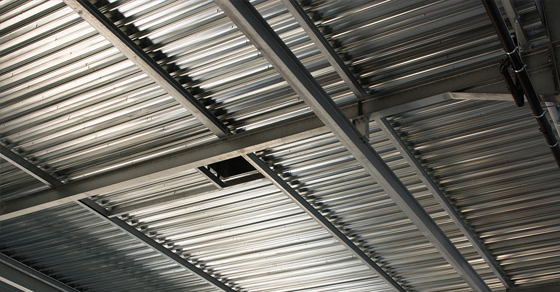
Johnson Roofing provides warehouse roofing in Auckland to help prevent leaks, protect stock, reduce damage and support long-term commercial property care.
Warehouse roof care should identify defects before water reaches stock, equipment or occupied work areas. We help Auckland businesses assess commercial roofs and plan maintenance, targeted repairs or replacement according to the roof’s condition.
Why Warehouse Roofing in Auckland Requires Planned Inspections
Warehouse roofs often cover large areas and contain gutters, flashings, translucent sheets, vents and other penetrations. Water may travel along structural members or internal surfaces, so the place where it appears indoors is not always where it entered.
A useful inspection considers the whole roof rather than pricing the first visible defect. It should review drainage routes, previous repair areas, sheet and fixing condition, penetrations, access constraints and evidence of internal moisture.
For occupied premises, the inspection plan should also consider business hours, vehicle movements, loading areas and sensitive stock. Our commercial roofing services include roof assessments, leak investigations, repairs, preventive maintenance and re-roofing for Auckland facilities.
Which Defects Commonly Lead to Warehouse Leaks?
Warehouse roofing in Auckland can develop leaks through isolated damage, ageing components or drainage problems. Common issues that deserve investigation include:
- Blocked drainage: Debris in gutters, outlets or downpipes can restrict water flow and contribute to overflow.
- Deteriorated fixings: Ageing screws, washers or enlarged fixing holes may allow water into the roof system.
- Defective flashings: Loose, damaged or poorly detailed flashings can affect edges, junctions and penetrations.
- Corroded sheets: Coating damage and prolonged exposure can weaken metal around cut edges, laps or fixings.
- Ponding water: Persistent standing water can indicate inadequate falls, blocked drainage or local deformation.
- Failed previous work: Sealant or patch repairs may deteriorate when the underlying entry path remains unresolved.
A leak report should record when the problem occurs, the affected internal area and whether wind direction or rainfall intensity changes it. Photographs, roof plans and previous invoices can also help us investigate patterns rather than treating each incident as unrelated.
How Preventive Maintenance Supports Asset Protection
Preventive maintenance cannot guarantee a leak-free roof, but it can identify visible deterioration before it develops into a larger failure. A practical programme may include scheduled inspections, gutter clearing, fixing and flashing checks, corrosion monitoring and reviews of penetrations installed by other trades.
Maintenance records also help owners compare recurring repair costs with the likely value of re-roofing. Our guide to preventing warehouse roof failure explains warning signs that may justify a broader assessment.
Warehouse roofs should not be treated as safe walking surfaces. WorkSafe New Zealand’s roof safety guidance recommends planning roof work and managing access and fall hazards, so inspections and maintenance need controls suited to the site and task.
Turn Inspection Findings into a Clear Roofing Scope
An inspection only creates value when its findings lead to an actionable scope. The report or quotation should identify observed defects, proposed work, access requirements, exclusions and areas that could not be assessed. It should also distinguish urgent leak work from planned maintenance or future replacement.
If your warehouse roofing in Auckland has recurring leaks or overdue maintenance, contact us to arrange an assessment.