
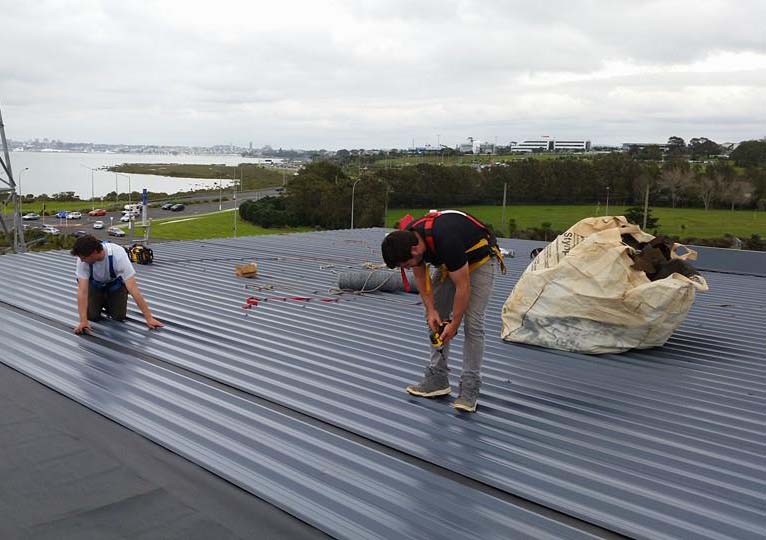
Johnson Roofing explains what goes under a metal roof, from underlay and battens to roof structure, for better durability and weather protection.
When homeowners ask what goes under a metal roof, the answer is far more important than many expect. A high-performing metal roof is not defined by the visible sheets alone, because the layers underneath play a major role in weather protection, moisture control, strength, and long-term durability. Understanding these hidden components helps property owners make more informed roofing decisions and avoid costly issues later.
The Role of Underlay Beneath Metal Roofing
Underlay is a vital layer beneath a metal roof because it adds protection between the roof sheeting and the structure below. While the metal sheets act as the main outer barrier, the underlay helps manage condensation, reduce the chance of water ingress, and support the overall performance of the roofing system. For more on this topic, read our guide to roofing underlay.
In changing weather conditions, moisture can form beneath metal roofing when warm air meets a cooler roof surface, and a quality underlay helps control that moisture before it affects the roof space or internal materials. It can also improve energy performance by reducing heat transfer and draughts, making it an important part of a durable, reliable roofing system rather than just an optional extra.
The Role of Battens in Supporting the Roof
Battens sit between the metal roof sheeting and the main roof frame, where they provide essential support for the finished roof. These horizontal members create the fixing points for the metal sheets and help ensure the roofing is installed evenly, securely, and to the correct spacing.
When battens are properly set out, they improve both the appearance and structural performance of the roof by supporting straight sheet lines, stable fastener placement, and a consistent base beneath the roofing material. This means battens are not just a minor accessory, but a key part of what goes under a metal roof and how well the entire system performs over time.
Why the Roof Structure Underneath Is So Important
Beneath the underlay and battens sits the roof structure, which forms the foundation of the entire metal roofing system and commonly includes rafters, trusses, or other framing members. This structural layer carries the weight of the roofing materials, transfers load safely through the building and helps the roof resist wind uplift and other external forces. Even high-quality metal roofing will not perform well over time if the supporting structure is weak, uneven, or poorly designed.
Key reasons for the roof structure matters include:
- It supports the full weight of the roofing system
- It helps distribute wind and weather loads safely
- It provides a stable base for battens and roof sheeting
- It affects the roof’s long-term durability and performance
- It reduces the risk of movement, sagging, and premature damage
What Goes Under a Metal Roof? Ask Johnson Roofing
At Johnson Roofing, we know that a reliable metal roof depends on the layers beneath the surface as much as the sheets on top. From quality underlay and properly installed battens to a strong supporting structure, every component plays a role in what goes under a metal roof and how well it performs over time. Whether you are installing a new metal roof, replacing an ageing one, or looking for expert advice, our team provides practical guidance, skilled workmanship, and roofing solutions built for long-term results.
Contact us to discuss the right roofing solution for your property. Our team is ready to provide expert advice and dependable service tailored to your project.
Related Blog Articles:
Residential Roofing: Why Metal Roofing is the Smart Choice for Modern Homes
Metal Roofing Specialist: Retrofitting Your Home with Johnson Roofing