
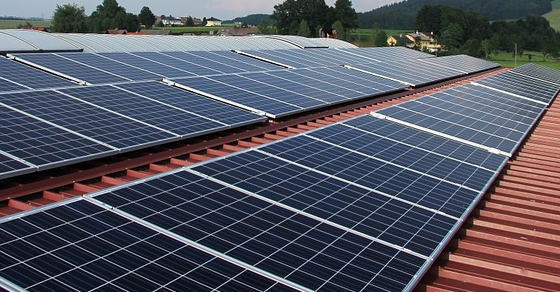
Johnson Roofing helps Auckland property owners plan metal roofing and solar panels for drainage, roof access and long-term performance.
Metal roofing and solar panels should be planned together because the roof may remain beneath the array for decades. By checking its condition, drainage and access first, we can help Auckland property owners avoid preventable removal and roofing costs later.
Why Plan Metal Roofing and Solar Panels Together?
A solar array should not be installed over roofing that is corroded, damaged or approaching replacement. New Zealand’s Energy Efficiency and Conservation Authority notes that solar products are expected to last more than 20 years. If the roof is unlikely to remain serviceable for a comparable period, completing the necessary re-roofing work first may be more practical.
Planning metal roofing and solar panels as one project does not mean one contractor performs every task. We assess, maintain, repair and replace metal roofing, while a qualified solar contractor designs, installs and commissions the solar system. Early coordination gives both contractors accurate information about the roof profile, condition and sensitive areas.
Assess the Existing Roof Before Solar Installation
Our roof maintenance assessment can identify issues that may become difficult or expensive to reach once panels are installed. We examine accessible roofing components and recommend appropriate work before the solar contractor proceeds. The assessment may cover:
- Sheet condition: Look for corrosion, damaged coatings, distorted sheets and deterioration around laps.
- Fasteners and flashings: Identify loose fixings, failed seals or vulnerable junctions requiring attention.
- Drainage: Check gutters, valleys and natural water paths for defects or obstructions.
- Remaining roof life: Compare the roof’s condition with the expected service period of the solar system.
- Existing penetrations: Account for vents, flues, skylights and features requiring ongoing access.
Structural capacity, wind loading and mounting design sit outside a routine roofing inspection and may require advice from the solar contractor or a Chartered Professional Engineer.
Coordinate the Roof and Solar Layouts
The panel arrangement must suit the roof profile without blocking drainage or preventing maintenance. Corrugated, trapezoidal, standing-seam and concealed-fix profiles can require different mounting systems. The solar installer must select compatible components and confirm the correct fixing method.
Before installation, property owners should confirm:
- Mounting positions: Brackets, clamps and penetrations must avoid vulnerable laps and flashings.
- Maintenance access: Contractors need practical routes to inspect roofing, fasteners and drainage areas.
- Material compatibility: Mounts and fasteners must suit the roofing material and local environment.
- Cable placement: Cables should not obstruct water flow or create debris traps.
- Warranty responsibilities: Both contractors should identify who covers installation-related damage.
Our article about installing solar panels on a metal roof explains additional leak risks and mounting considerations.
Complete Roofing Work Before the Panels Go On
For an existing building, we recommend assessing the roof before confirming the solar installation date. Required maintenance, repairs or replacement can then be completed while the roofing remains accessible. For a new roof, consider the solar layout before finalising the roofing profile and mounting approach.
Coordinating metal roofing and solar panels early protects access and reduces the risk of paying to disconnect and reinstall the array for foreseeable roofing work. We can assess and complete approved roofing work, but a suitably qualified solar contractor must handle the solar system.
Arrange a Roofing Assessment with Johnson Roofing
Do not let a solar installation conceal problems that should have been addressed first. Contact us to arrange an Auckland metal-roof assessment before confirming installation dates or mounting locations.