
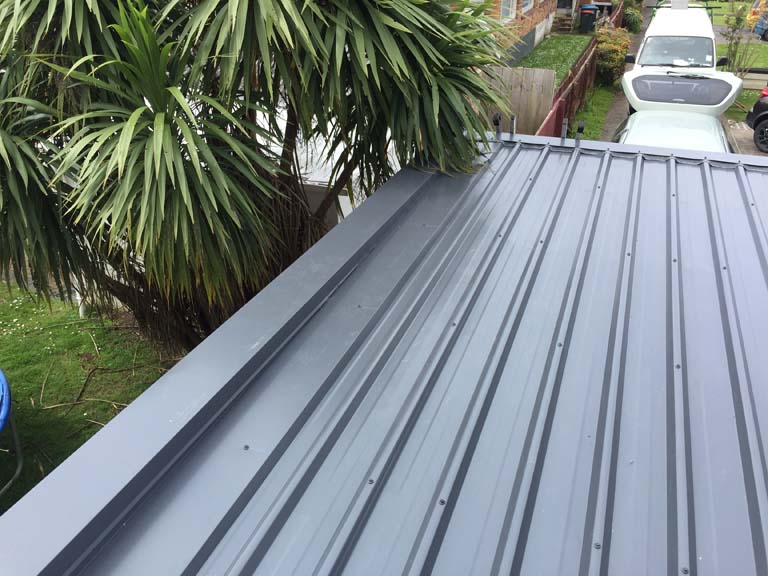
Johnson Roofing explains base metal thickness in roofing, what BMT means, and why it matters when comparing metal roofing materials and performance.
If you have been comparing metal roofing options, you may have come across the term base metal thickness in roofing and wondered what it actually means. BMT is a common specification in steel roofing, yet many homeowners are not familiar with how it affects roof performance, strength, and value. Understanding this term can help you make a more informed decision when choosing the right roofing material for your property.
The Meaning of BMT in Metal Roofing
BMT stands for Base Metal Thickness, which is the thickness of the steel before any coatings, primer, or paint are added. In simple terms, it measures the actual steel at the core of the roofing sheet rather than the full finished thickness. This matters because the steel base contributes directly to the sheet’s strength and rigidity.
In the roofing industry, BMT is used as a more accurate way to compare steel roofing products. Two sheets may look similar, but one with a thicker steel base can offer better spanning performance and greater resistance to denting or flexing. For homeowners, this makes BMT a practical detail that can affect the quality and suitability of a roofing product.
Why Roofing Base Metal Thickness Should Not Be Overlooked
When choosing a new roof, it is easy to focus on colour, style, and cost, but material specifications matter too. Base metal thickness in roofing affects strength and performance, and a suitable BMT helps the sheets handle the building design, local conditions, and installation needs. While thicker steel can improve stiffness, homeowners should also consider coating type, profile, and installation quality before deciding.
Key reasons BMT matters include:
- It affects the strength and stiffness of the roofing sheet
- It can influence how far sheets can span between supports
- It helps buyers compare the actual steel content of roofing materials
- It supports better decision-making when selecting roofing for long-term performance
BMT vs TCT: A Simple Explanation
One of the most common points of confusion in metal roofing is the difference between BMT and Total Coated Thickness, or TCT. BMT measures only the steel base, while TCT includes the steel along with the metallic coating, primer, and painted finish. As a result, TCT will always appear as the larger number, even when the steel base is the same.
This difference is important when comparing roofing products from different suppliers. A product advertised with a greater total thickness may seem stronger, but that does not always mean it contains more steel. For a clearer comparison of structural performance, BMT is usually the more useful figure to check.
Expert Advice on Base Metal Thickness in Roofing from Johnson Roofing
At Johnson Roofing, we believe every customer deserves clear and honest advice when choosing a new roof. Understanding base metal thickness in roofing can make it easier to compare steel roofing products and avoid confusion around technical specifications. Whether you are planning a roof replacement, a new build, or need expert guidance, our team provides reliable service, quality workmanship, and practical recommendations tailored to your property.
Contact us today to discuss your roofing project and get expert support from our team.
Related Blog Articles:
Residential Re-Roofing Made Easy: Why Metal Roofing Reigns in Auckland
Auckland Metal Roofers: Metal Roofing Guide for Modern Homes