
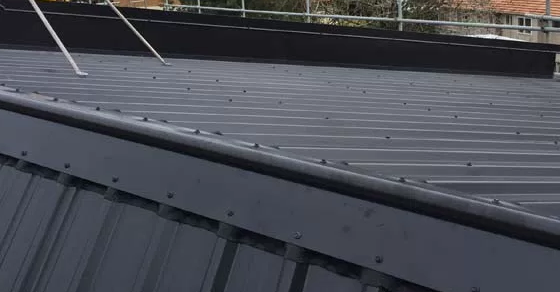
Johnson Roofing explains the best gauge for metal roofing in New Zealand, comparing 0.40, 0.55, and 0.70 for strength, value, and site conditions today.
Choosing the right gauge for metal roofing is an important part of planning a new roof or replacement in New Zealand. Although thicker metal is often seen as better, the right option depends on strength, durability, roof profile, site exposure, and budget. The best roofing thickness should match the property conditions rather than simply being the heaviest sheet available.
Metal Roofing Gauge Explained
When people talk about gauge, they are usually referring to the thickness of the steel used in the roofing sheet. While this is helpful in everyday conversation, professional roofing specifications use more precise measurements because the product, coating, and profile also affect performance. For homeowners, thickness matters, but the right roofing choice should also consider local conditions, exposure, and the full roofing system. If you are comparing materials as well as thickness, this guide to NZ steel roofing products like COLORSTEEL® and ZINCALUME® provides useful background.
0.40 vs 0.55 vs 0.70: What’s the Difference?
- 40 mm Metal Roofing is generally seen as the lighter and more budget-friendly option. It can suit some standard residential roofs where the design is simple, and the property is not exposed to harsh conditions. However, it may feel less rigid and offer less span capability than thicker alternatives.
- 55 mm Metal Roofing is often considered the practical middle-ground option for many homes. It provides greater stiffness and a stronger overall feel than 0.40 mm while remaining cost-effective. For many New Zealand homeowners, it offers a solid balance between value, durability, and everyday performance.
- 70 mm Metal Roofing is a heavier-duty option often chosen for premium builds, specialised designs, or properties that need extra rigidity. It can deliver a stronger and more substantial finish where higher performance is required. Even so, it comes at a higher cost and may be more than necessary for many standard residential homes.
How to Choose the Right Roofing Option for Your Property
The best roofing choice depends on more than thickness alone. It should also consider the roof profile, coating, location, and exposure to wind or coastal air. Looking at the full roofing system helps homeowners choose a better value for their property.
When comparing options, it is worth looking at:
- The location of the property and whether it is inland, coastal, or highly exposed
- The roof design, pitch, and support spacing
- Your budget and long-term performance expectations
- The type of metal roofing profile being installed
- The protective coating is best suited to local conditions
- Whether you want a more economical solution or a stronger premium finish
Why Johnson Roofing Is the Right Team to Help with Gauge for Metal Roofing
Choosing the ideal gauge for metal roofing is not just about picking 0.40, 0.55, or 0.70 based on price alone. It is about understanding how each option performs in real conditions and selecting a roofing solution that suits your property, environment, and long-term goals. At Johnson Roofing, we help homeowners across New Zealand make confident roofing decisions backed by practical experience and quality workmanship.
If you are planning a new roof or roof replacement, contact us for expert guidance on the best option for your property.
Related Blog Articles:
How to Choose the Best Metal Roofing System for Your 2026 Home Renovation
Choosing NZ Steel: Why COLORSTEEL® and ZINCALUME® Are the Best Fit for Auckland Roofs