
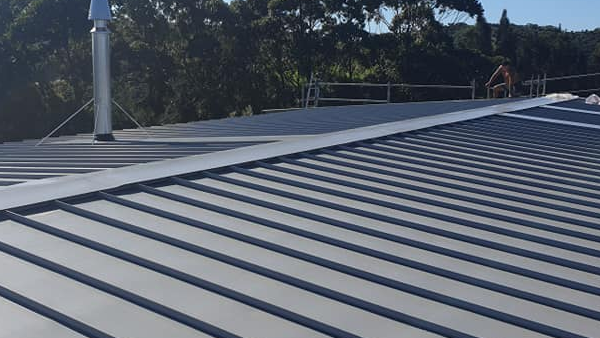
Johnson Roofing explains how steel grade, coatings, and environment affect metal roof lifespan, helping homeowners choose a roof built to last longer.
When homeowners compare roofing materials, it is easy to assume that the lifespan of a metal roof depends solely on its steel composition. Long-term performance is shaped by several factors, especially the steel grade, the protective coating, and the conditions the roof is exposed to over time. Understanding these differences helps property owners make a more informed investment and choose a roofing system built for lasting value.
What Steel Grade Means for Roof Performance
Steel grade refers to the strength and structural performance of the steel used in roofing products. It affects how well the material can withstand loads, maintain its shape, and perform once it is formed into roofing sheets or panels. Higher-grade steel is often chosen for modern roofing because it provides reliable strength without adding unnecessary thickness.
However, steel grade alone does not determine how long a roof will last. Corrosion resistance depends more on the protective coating and on how well the roof withstands moisture, salt, pollution, and other environmental conditions. For long-term value, the right roofing system needs both structural strength and suitable corrosion protection.
How Coatings Influence Metal Roof Lifespan
Protective coatings play a major role in determining the lifespan of metal roofs by shielding the steel from corrosion, weathering, and surface damage. Metal roofing may use metallic coatings, painted finishes, or multilayer systems to improve resistance to moisture, salt, and UV exposure. To achieve the best long-term performance, the coating should be matched carefully to the building’s environment and site conditions.
Keyways coatings affect roof performance include:
- protecting the steel surface from corrosion
- slowing damage caused by coastal salt and airborne pollutants
- improving resistance to sunlight, fading, and surface wear
- helping the roof maintain its appearance for longer
- supporting better long-term value and reduced maintenance costs
If you want a closer look at how modern finishes work in local conditions, see our guide to modern metal roof coatings for Auckland homes.
Environmental Factors That Influence Roof Durability
The surrounding environment directly affects how long a metal roof will last. Coastal homes face salt-laden air, while other properties may be exposed to high humidity, heavy rain, pollution, or strong sun. If the roofing material and coating are not suited to these conditions, corrosion can develop more quickly.
For this reason, roofing products should always be selected to suit the local environment. In harsher locations, a more suitable coating system can improve durability and help prevent early deterioration. Professional advice can also help ensure the roof is specified correctly for long-term performance.
Extend Your Metal Roof Lifespan with Johnson Roofing
At Johnson Roofing, we know that improving the lifespan of a metal roof starts with choosing the right steel grade, protective coating, and roofing system for the site. A well-selected roof offers more than visual appeal, delivering reliable performance, lower maintenance, and better long-term value. Whether you are building a new roof or replacing an existing one, our team can help you choose a solution that suits your location, budget, and goals.
Contact us to talk through your roofing needs and explore the best options for your property. We’ll help you choose a solution designed for long-term performance and value.
Related Blog Articles:
Metal Roofing Restoration: 5 Expert Tips for Extending Your Roof’s Lifespan
Metal Roof Lifespan in New Zealand: How Durable Are They Really?