
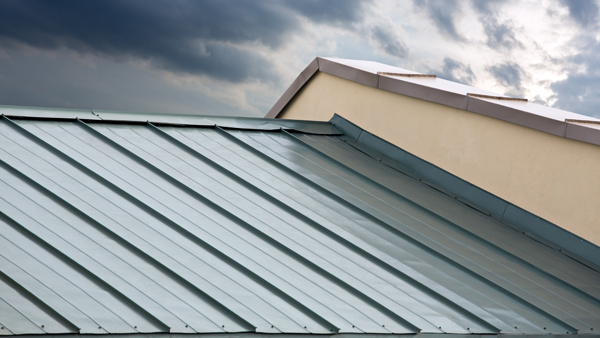
Johnson Roofing explains metal roofing measurement, roof pitch, and material estimates to help you work out how much roofing your project actually needs.
Getting your roofing estimate right matters because ordering too little can delay the job, while ordering too much can increase unnecessary costs. A clear metal roofing measurement process helps homeowners and property managers plan with more confidence before work begins. Understanding the basic formula for roofing quantities makes it much easier to budget accurately and avoid common estimating mistakes.
Start With Your Roof’s Basic Measurements
The first step in estimating roofing materials is measuring the roof’s plan area, which is the footprint calculated using length and width rather than the sloped surface. This is usually simple for standard roof types like gable or skillion roofs. For more complex designs, divide the roof into smaller shapes such as rectangles or triangles, calculate each section, and then combine the totals.
This step matters because the roof size is not always the same as the house size, especially with eaves, overhangs, or extensions. After measuring the plan area, you need to adjust for the roof pitch to determine the true surface area. Having accurate measurements also helps when comparing quotes, improves planning, reduces delays, and ensures a smoother roofing project.
If you are unsure about your roof’s condition before measuring, reviewing a guide on roof inspection and maintenance to prevent costly damage can help you identify any issues early.
Metal Roofing Measurement and Roof Pitch: A Practical Guide
Roof pitch significantly affects material quantities because steeper roofs have a larger surface area than low-pitch roofs with the same footprint. Applying a pitch factor to the plan area is essential for accurate estimates. For metal roofing measurement, sheet quantities should be calculated using the effective cover width, which accounts for overlaps rather than the full sheet width. By dividing the roof width by the effective cover width and rounding up, you can determine the correct number of sheets while improving cost control and project efficiency.
For easier estimating, keep these points in mind:
- Measure the roof plan area first before adjusting for pitch
- Use the correct pitch factor to calculate the actual roof surface area
- Check the manufacturer’s effective cover width, not just the sheet’s total width
- Round up sheet numbers to allow for full coverage
- Allow for features such as skylights, vents, valleys, and flashings
Accurate Roofing Estimates and Metal Roofing Measurement by Johnson Roofing
Accurate estimating is essential for a successful roofing project, ensuring the right amount of material is ordered from the start. From measuring the roof footprint to applying pitch adjustments and completing a proper metal roofing measurement, each step supports better cost control and efficiency. At Johnson Roofing, we offer professional guidance and reliable roofing solutions tailored to suit your property and project needs.
Whether you are planning a new roof, a replacement, or need accurate material calculations, contact us to assist with your roofing requirements.
Related Blog Articles:
Metal Roof Installation: Why Proper Flashing and Detailing Matter
How to Choose the Best Metal Roofing System for Your 2026 Home Renovation